CONTACT US!

This album of travel inspiration has been brought to you by Melanie @ Tough Love Travel!
Talk to Melanie at (609) 923-0304 or melanie@toughlovetravel.com.
Or visit her at www.ToughLoveTravel.com for "fun adventure to get your out of your box".

Saturday, July 19, 2014

Isle Royale National Park: moose, wolves, and Esther Williams


For your customized UP Roadtrip, including to Isle Royale, grab a complimentary 20-minute planning session with Melanie Tucker, owner & chief designer at Tough Love Travel.

I went to Michigan's UP (or Upper Peninsula) on a cherry-picking mission.  What I discovered, though, were the wolves and moose of Isle Royale NP.


Getting to remote NPs is often a dilemma for the traveler.   How should you physically arrive at Isle Royale and why did you choose this method?
I was on a road trip from NJ, so I drove from Chicago, up through Michigan (that finger of land sticking north into the lake in this map) and across the UP, to the passenger ferry at Houghton where the Ranger III ferry swept us and our backpacks over to Rock Harbor - that strip of island in the NW part of the lake -  in just under 6 hours.   

What were the benefits as well as downsides of this arrival method?  
The ferry only runs on select days of the week, so timing is strict.

What other arrival methods did you consider, or have you heard about?
You can also train up to the ferry but the schedule is cumbersome.  Note that ferries also travel to Isle Royale from Copper Harbor as well as the Minnesota shore. 

If you have only one overnight in the park (2 days, 1 night), where would you stay and what would you do?


I'd grab a 60's-style motel room at the main lodge in Rock Harbor (NE corner of island), and spend my first evening on a short hike up to Lookout Louise, and in the interpretive center, learning about the wolf-and-moose population. 

On Day 2, I'd hop the water taxi down to Moskey, and then hike back, approximately 11 miles, along the spine and coasts of the island.

What is the optimal length of time to spend at the park in your opinion?
4 days would be a great treat!


Best wildlife viewing opportunity?
You will inevitably spot a moose as you hike the trails.   Though their numbers have fluctuated over the years due to ticks and disease, they remain abundant in the national park.
The wolves are a different story.  The original pack migrated over Lake Superior's ice during a particularly harsh winter in the 1940's, and they remain more elusive.  Their numbers were dwindling from inner-breeding until a new wolf arrived around 2000. 
Still, you may hear a howl in the dark of night!

Best of most unique meals/foods?
Cherries, fresh off the trees in August, were delicious, but an even more interesting food was the pasty (pronounced past-ee), a traditional meat pie imported to Michigan by the Cornish minters in the 1800's.

Best photography shot?
The dark green and deep blue shallow waters of the archipelago.

What problems have you encountered there (or heard of others encountering)?
Moose are extremely dangerous and not to be underestimated. 

What is the “rare find” within Isle Royale NP?
In the entire season, Isle Royale sees fewer visitors than Yellowstone sees in one day. 

It's difficult to find a more pristine and remote, yet accessible northern woods - and the crystal waters are invigorating!  To know that the wolf pack lurks just beyond the trees adds an element of thrill.

A special activity is to boat over to one of the many nearby islands, like Caribou, where you'll share the island with a mere handful of other campers at  remote sites. 

Extra tip?     Along the crest of the island are fire towers that you can climb for sweeping views of the national park and Lake Superior.
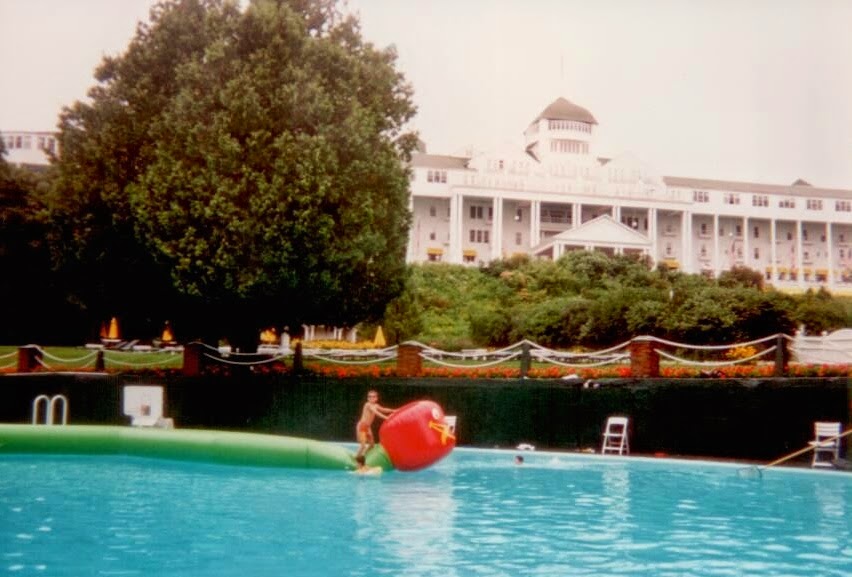


So where does Esther Williams come into this story?
Esther Williams Pool, before the Grand Hotel
Enroute to the Isle Royale ferry,  you'll pass though the isthmus connecting lower to upper Michigan.   There you will find the storied Grand Hotel, located on the pedestrian-only Mackinaw island. This lovely old-fashioned mansion has been featured in the movie Somewhere in Time, and today, you can not only stay there and sip your beverage from a rocker on the grand wrap-around porch, but you can also swim in their famous Esther Williams pool.


Have questions?  I am here to help.  You can reach me at (609)923-0304.

Friday, July 18, 2014

Carlsbad Caverns National Park: bats, caves, and aliens

Quick facts:  
WHERE:  southeastern New Mexico
HIGHLIGHT:  caves and bats

I traveled to Carlsbad National Park with my sons in 2004.  That summer, a new backcountry cave had recently been opened which we toured with special permits, but the highlight of our visit was the sunset show of the bats.  They spiraled out of the cavern each and every evening, counter-clockwise (the same way that toilets flush and eucalyptus trees grow in the northern hemisphere) and we were quite amazed!  (check out video at bottom of blog)
  
Getting to our remote NPs is often a dilemma for the traveler.   How should you physically arrive at Carlsbad and why?
We drove, but you can also fly into Roswell (100 miles away) - the home of the aliens!
By driving on a long road trip, we visited Carlsbad after Big Bend NP in TX and before Saguaro NP in AZ.  (read blogs later this week for these parks)

If you have only one overnight in the park (2 days, 1 night), where would you stay and what would you do?
I'd see the main caverns and stick around for the bat exit at sunset.  Then I'd pre-reserve a special tour for Day 2, like Slaughter Canyon (see below) or the 3-dimensional maze, Spider Cave.
Best wildlife viewing opportunity?
The bats!


Best food?
You'll only find cafeteria food in the park, but in Carlsbad village, there's a sushi spot called Blue Ocean Robata.  Located more than 6 hours from the nearest ocean, it offers quite a unique experience.

Best photography shot?
The Christmas Tree formation inside Slaughter Canyon Cave.

What problems have you encountered there (or heard of others encountering)?
Be ready for close screening prior to entering the caves, because our noses, footwear, and clothing sometimes carry diseases harmful to bats.

What is the “rare find” within Carlsbad NP?  

the road out to remote Slaughter Canyon


The private tour of Slaughter Canyon Cave is extra special.  There's no illumination, no paved walkways.  You have to have a flashlight or headlamp to enter this underground space!  It's a true, wild cave, accessed only by a 1/2 hour hike up the desert mountain, to crawl though the small circular opening.  And, in addition to the untouched stalagmites, there are anthropological remains from ancient peoples who used to collect the bat guano here.   Cost:  $15pp

Any words of warning, or wisdom, for the Carlsbad NP planner?
Take a jacket.  The desert may be 120* outside but the cave is 50* inside. 

Did you know?
The limestone rock that holds Carlsbad Caverns is full of ocean fossil plants and animals from a time before the dinosaurs when the southeastern corner of New Mexico was a coastline similar to the Florida Keys. 
waiting for the bats to fly
If you're looking for a road trip though some of our country's most spectacular scenery and most intriguing National Parks, I would love to talk to you. 
I'm Melanie Tucker, owner and chief designer at Tough Love Travel, where I offer complimentary 20-minute get-acquainted sessions.  Select yours right here.


Wednesday, July 16, 2014

Glacier National Park: scenery, summertime snow, and big-horned sheep

Today begins a series of blogs featuring our US National Parks. 
Here's the first installment, an interview with Bernie, who loves Glacier National Park. 
Have questions?  I am here to help.  Email me here.

Bernie, welcome to the Tough Love Travel blog.   I hear you’re a Glacier NP expert, so tell us...
Q:  Did you know that people often confuse Glacier National Park with Glacier Bay National Park? 
A:  Yes, some people find it confusing, but I have visited Glacier National Park in Montana, for 3 different summer vacations!

Q:  Getting to our remote national parks is often a dilemma for the traveler.   How did you physically arrive at Glacier, and why did you choose this method?
A:  We flew in to Kalispell, MT, the closest airport to the park.   
This minimizes travel time (it’s only a half hour by car to the west entrance), but airline tickets to FCA can be expensive.

Q:  If you have only one overnight in the park (2 days, 1 night), where would you stay and what would you do?
A:  If you are the hiking sort, I would drive the Going To The Sun Road to the east side of the park (assuming you are coming from the west) and spend the night at the Many Glacier Hotel.  There are many beautiful day hikes in the area.  
boardwalk trail over tundra by pass
The famed road is a treat.  It bisects the park from west to east, covering 53 miles.  Allow 2-2.5 hours driving time, plus stops at viewing points along the way.  Stop at Logan Pass and hike a mile or two on the Hidden Lake trail or the Highline trail – both are flat and easy, and the views are stunning!  In the Many Glacier area, there are numerous trails – the Swiftcurrent Pass trail is virtually flat for the first 3-4 miles and passes two lakes along the way.  There is also the Iceberg Lake trail, a 9-mile out and back to a pristine, blue lake that actually has icebergs on it until early August!
down, down, down to Wonder Lake

trail down to Wonder Lake
If you’re not into hiking, you could stay at McDonald Lodge and take one of the red “jammer” bus tours.  The busses are fully restored 1930’s White busses.  They got the nickname “jammers” because the drivers were constantly jamming the gears going up and down the grades on the road.  They have modern engines and automatic transmissions nowadays, so the jamming factor is no more.  They have open tops so that you have an unobstructed view of the peaks as you ride along listening to the guide.  Blankets are provided, because even in the summer it can be chilly early in the morning in an open vehicle.

Q: What is the optimal length of time to spend at the park in your opinion?
A:  It depends on how much you like to hike.  If you are “road bound”, perhaps a day or two is fine.  But with only one road, yet over 700 miles of maintained trails, Glacier is a hiker’s paradise.  I go for a week.

Q:  Best wildlife viewing opportunity?
A:  The wildlife will best be encountered away from the road, which gets a lot of traffic.  On an 8 mile hike on the Highline trail from Logan Pass to Granite Park Chalet, I walked to within a few feet of a mule deer doe, saw a small herd of big horn sheep from a hundred yards, mountain goats, and hoary marmots.

Q:  Best of most unique meals/foods?
A:   Just about anything that comes off my backpacking stove is guaranteed to be “unique”.  

But for lodge guests, I’d suggest the dining rooms at McDonald Lodge or Many Glacier Hotel, which offer a varied menu similar to other national parks.  But honestly, you don’t come here for the food; the mountains are the star of the show.


Q:  Best photography shot?
A:  Probably the one of a mule deer buck sniffing the hand sanitizer at the door of the restroom at Granite Park Chalet.  He looks as if he is waiting to go in.  

But if you like landscape photography, just point the camera in any direction.


Q:  What problems have you encountered there?
I haven’t encountered a grizzly on the trail…yet, but if you spend much time in the back country, you need to take the usual precautions.


 Q:  I hear you think that Glacier NP is a rare find.  What is the rare find within Glacier NP?  (this can be a lodge, a trail, a moment, a program)
A:  That’s easy.  The two remaining chalets built by the Great Northern Railway in 1914 as part of an 8- or 9-chalet system, each one a day’s ride by horse apart, by which the early visitors used to experience the park.  The two that remain are the Sperry Chalet and the Granite Park Chalet.  

Sperry Chalet
Sperry can best be reached by the iconic 13.3-mile Gunsight Pass Trail, which begins at the Jackson Glacier Turnout on the Going To The Sun Road about half way between Logan Pass and the St. Mary Visitor Center. This trail is on any hikers bucket list.  It’s another 6.5 miles from the chalet down to McDonald Lodge via the Sperry trail.  Sperry Chalet is rustic, with no electricity, no heat, no showers.  But they provide dinner the night of your arrival, breakfast the next morning, and boxed lunch or the trail when you depart.

Granite Park is a similar set up, except that you have to bring your own food, which you cook in the kitchen there.  The best way to get there is by another of Glacier’s iconic trails, The Highline, which departs from Logan Pass and travels 7.5 miles along the Garden Wall all the way to Granite Park.  The ridge of the Garden Wall is the Continental Divide, and you have breathtaking views every step of the way.

Q:  Any words of warning, or wisdom, for the Glacier NP planner?
A:  Although Glacier is technically open year round, the road is not completely plowed clear of snow until late June or early July, and the higher elevation trails are not clear until then too.  So, the best time to visit is July-August better to assure full access to the park.  Because the season is so short and lodgings are relatively limited, PLAN EARLY if you intend to stay within the park.  Reservations typically open a year in advance and book up quickly.  Reservations for the two chalets open in October for the following season, and will completely book up within a few days.

The other thing is the weather.  Although daytime summer temperatures are usually comfortable, nights can be chilly, dipping into the low 40’s and upper 30’s at higher elevations (around 6500 ft.).  Bring rain gear and even a couple of items of warmer clothing.  You never know what kind of weather Glacier is capable of – in mid-June this year, they received 15-20 inches of snow above 6500 ft!


If you're interested in National Park experiences, stay tuned to this Tough Love Travel blog over the next 10 days. 
Coming up:   Carlsbad Caverns,  Isle Royale, the Channel Islands, and Katmai!

Would you like to have the help of an expert? 
I'm Melanie Tucker, owner and chief travel designer at Tough Love Travel.

Wednesday, July 9, 2014

ROADTRIP: Croatia! Zagreb to Plitvice to Split to Dubrovnik

For more info on Croatia, email Melanie Tucker, owner and chief travel designer of Tough Love Travel.

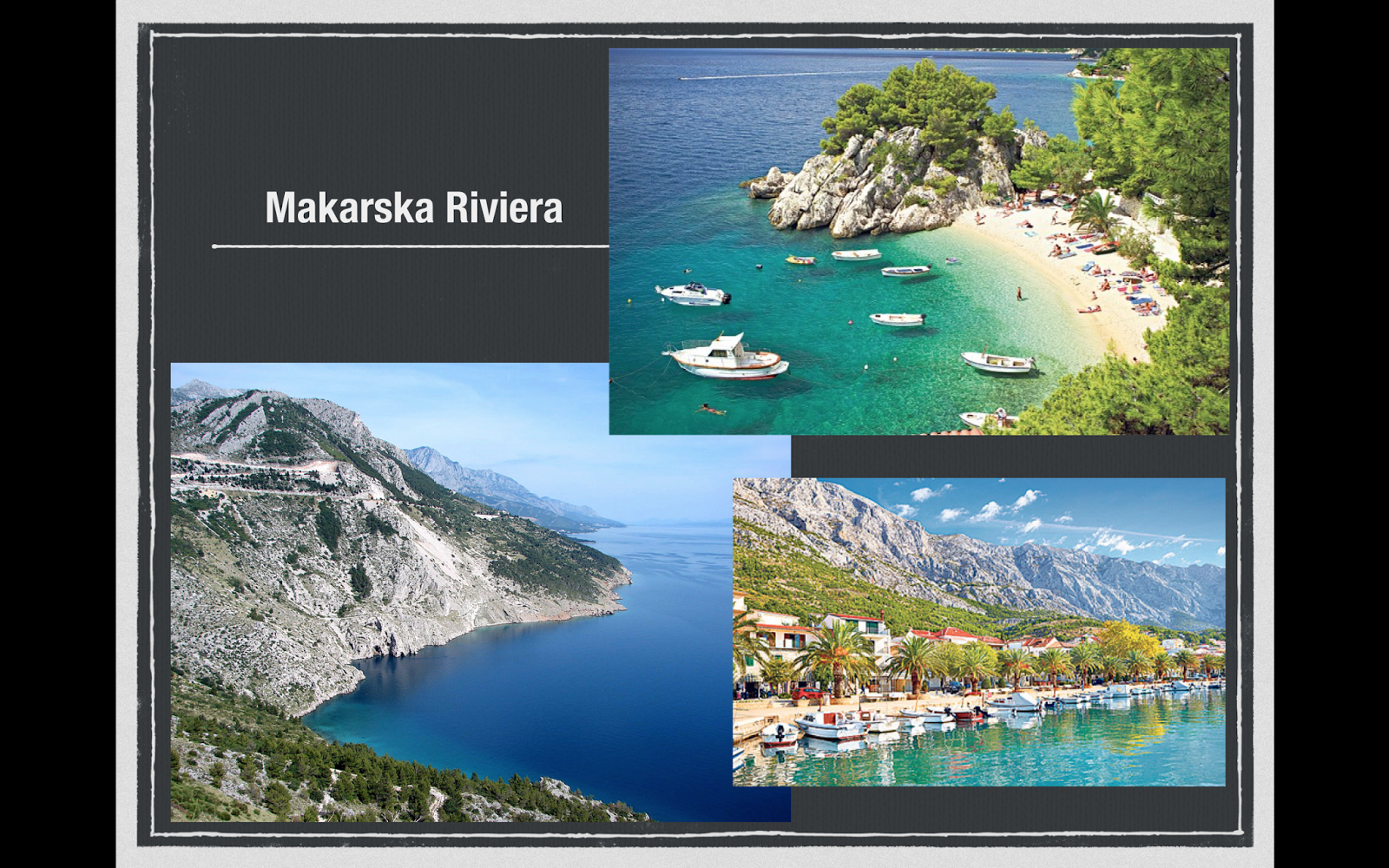
Croatia has something for every adventurer, starting with lighthouses where you can spend the night!

If you've loved truffles in Italy and France, then you won't want to miss Buzet, in Croatia!

 The National Parks are postcard-perfect.  Plitvice has 16 terraced lakes, like you see here, laced together with waterfalls and boardwalk-ed paths.

 After all this landscape, you'll hit the sea!   The water organ in Zadar is a novelty that's worth the stop.

 Boats and beaches, seafood and seascapes.... this short drive will, and should, take you all day. 

 Cavtat' cozy fishing village makes a more affordable (and relaxing) overnight before hitting Dubrovnik. 

If you're as fasciated by Dubrovnik's orange rooftops, click here.

On this drive from Split to Dubronik, stop to buy fresh oranges an local honey from shacks lining the waterfront.  

Walk the city walls of Dubrovnik.

Ride the cable car up Mr Srd to take in an aerial view of Dubrovnik and the Lower Dalmation Coast.  
There's a cafe at the top so plan to have a drink or snack with a view!

Want help planning YOUR Croatia vacation? 
Melanie Tucker, owner of Tough Love Travel (soon to debut as Rare Finds Travel Design), 
is an expert travel designer with more than 2 decades of experience. 

She'd love to talk to you about your next adventure -- maybe through Croatia?!
Call her today:  (609) 923-0304

Tuesday, July 8, 2014

Scenes from St Lucia's backroads!

If changing gears with your "wrong" (right) hand, while driving up a mountainside around hairpin curves is your thing, then go straight to St Lucia!  This southern Caribbean island, a neighbor of Barbardos where they drive on the opposite side of the road, holds many treats for those willing to explore.


Waterfalls that run warm from the live sulphur springs


...Local crab tests where you sit on picnic tables surrounded by townsfolk

...tiny ferries that cross small inlets to deliver you to intimate restaurants hidden in the jungle

...off-the-grid spots where your "painkiller" is served on tree-trunk-formed furniture, right by the sea
and sunsets, like this:

Want the full slideshow?   Check it out here!

To catch YOUR island sunset, call Melanie today. 
She owns Tough Love Travel, where she researches and designs unique trips for adventurous travelers. 

To explore the possibilities, choose a good time for your complimentary 20-minute call here.

Friday, July 4, 2014

ROADTRIP: my 6-day London Loop

Can I design a road trip for you?  This simple 6-night trip never strays more than a few hours from London 
but it'll show you more than 700 years of history and some unforgettable sights. 

Ride "the Eye", witness the centuries-long Keys Ceremony, and sample Benachin in East London, but then head out of town on a 6-night loop through Stonehenge, Oxford, and the Cotswolds.   Here's the way....

DAY 1: STONEHENGE AT SUNRISE
Did you know that you can actually get INSIDE the stones of Stonehenge.  It requires a guide, advanced reservations, and waking before dawn, but it's well worth it!
For this sunrise event, you need to stay nearby.  I have a wonderful historic guesthouse, only  10 minutes down the road, and it's the perfect launching spot.

The next morning, you will do the highly coveted  "Inner Circle Tour".   Tightly permitted by English Heritage, you get to wander beyond the fences, off the path, and amongst the stones, an experience within the "temple" which many people find magical.

While you're on the site, don't miss the new-in-December-2104 Visitors Center. 


DAY 2:  A DAY IN THE COUNTRYSIDE
Set a day aside for some local attractions before you move onward.

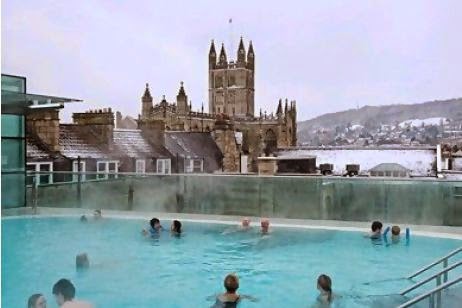
Ready for crowds?  Head to Bath.  Yes, you can actually bathe in the thermal springs. Here's a good spot: The Thermae Baths, open 7am-9pm.
But the parking is obscenely difficult with off-site lots, outside of town, and complicated shuttle services.

Your time may be better spent with Jane Austen? 
Near Alton, in a little crossroads called Chawton, you can tour her home (£7), a former bailiffs' house where she spent her last 8 years and at a small round table in the parlour, put her final edits on Sense & Sensibility.
Detour to Salisbury's Cathedral House to view the venerable Magna Carta. Simply translated as "big charter", this legal document was issued by King John back in 1215 to avert a civil war, but it has since inspired centuries of people to strive for freedom.
There were many copies of this decree distributed in the 1200s but today, only 4 remain, and here lies one of them, its authenticity certified by the imprimatur, the King's seal, in the bottom corner.  Cost of entry is free but a donation of £6.50 is recommended.

DAY 3: ON TO OXFORD
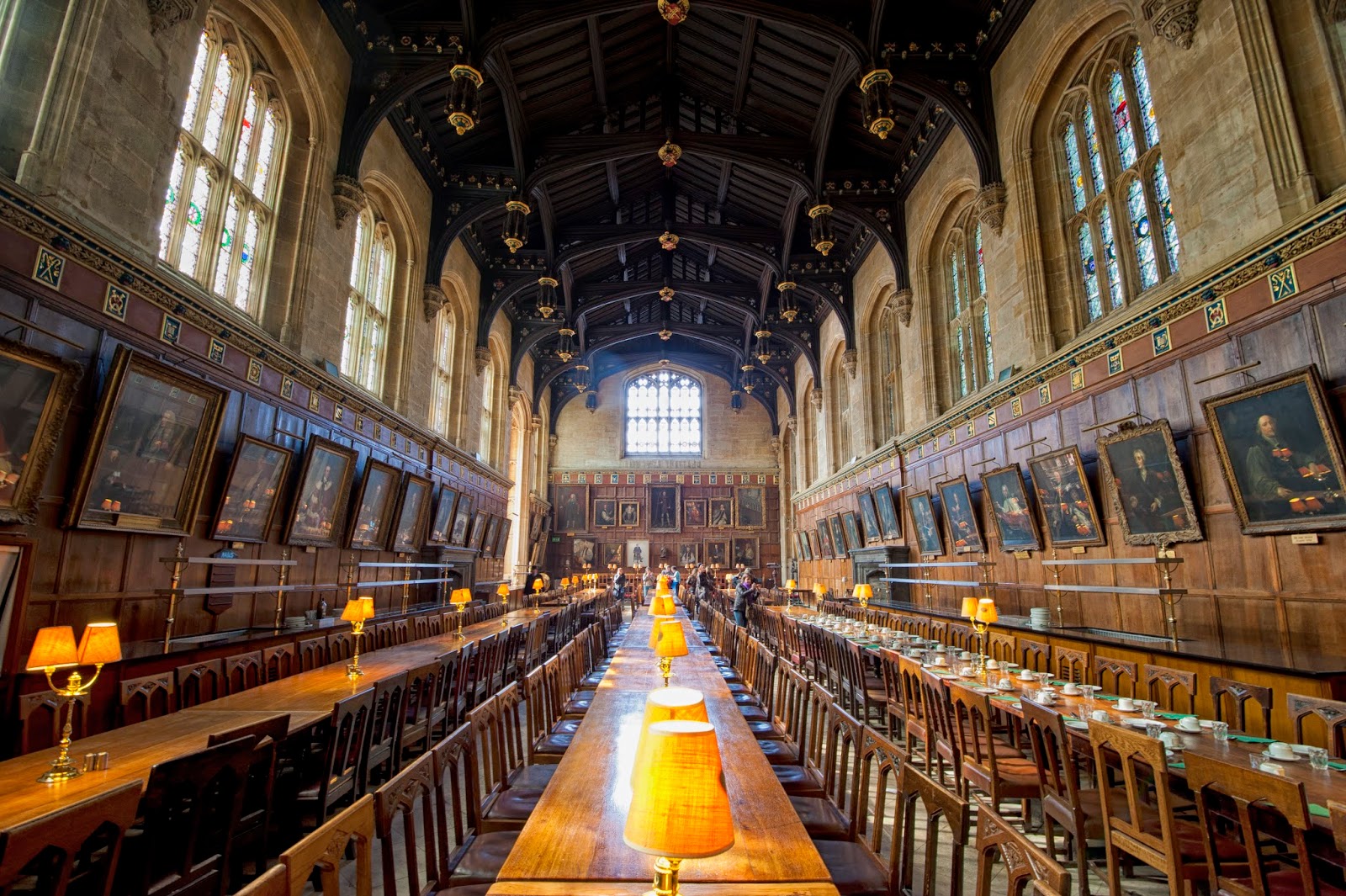
Did you know you can sleep in a dorm in Oxford, and eat breakfast the next morning in the Hogwartz-esque grand dining hall.

Make sure you tour Christ Church, and get a Blue Badge guide if you want special access.

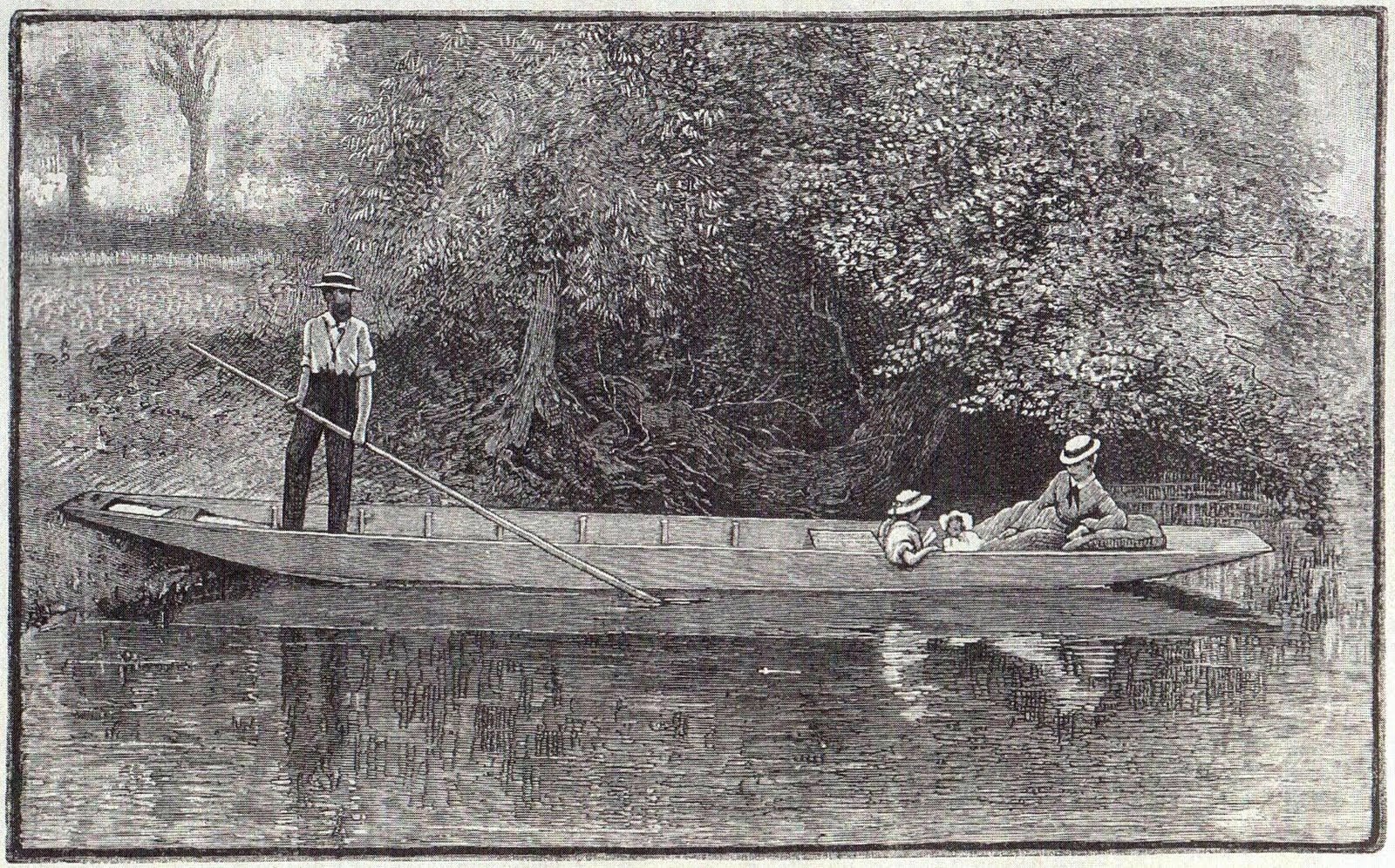
Then don't leave without a short outing on the river, so you can tell your friends at home that you went  "punting on the Thames".


DAY 4, 5, 6:  PUB-TO-PUB IN THE COTSWOLDS
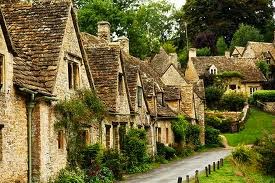
You stay in cozy pubs and grand guesthouses in the Cotswolds, that range of rolling hills that rises from the Thames river bottom and is iconized by English gardens and tutor homes and rose-strewn cottages and scone-filled shops.

You can even hike pub-to-pub throughout this classic region, on a trail called the 100-mile long Cotswolds Way.  As you pass sheep, stop for a pint, and laze in the sunshine, your bags are transferred to your next overnight, meaning that you never have to double-back and you maximize your experience.   Here's the Ordinance Survey map to envision the possibilities:

Tempted to go? 
I would love to serve as your travel designer.  
Call me today, at (609) 923-0304

Wednesday, July 2, 2014

ROADTRIP: South Africa's Garden Route

Melanie Tucker, owner and chief designer at Tough Love Travel, is FUNDI-certified
and can help make YOUR South Africa dream come true. 

Almost every sojourn through South Africa arrives in Cape Town at some point.  The city's international crowd, rappelling thrills on Table Mountain, sailing on the busy waterfront, cooking in the Malay community, hearing jazz (in the home of a local!), and fine dining (even in a rose-petal-strewn antique bank vault!) will impress you.
Then loop down the Cape peninsula for penguins, wineries, and the big prize - the Cape of Good Hope!

But if you rent a car and head east, an entirely unexpected world awaits you, along the Garden Route, a (minimum) 2-day drive along the coast between Cape Town and Port Elizabeth.

STOP 1:   STELLENBOSH
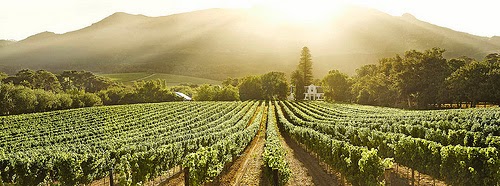
Less than 2 hour northeast of Cape Town are the Durbanville Hills and the enticing wine country of Stellenbosch.  It's not officially part of the Garden Route, but I'd recommend it as a most worthy detour for your first night.
You can stay in the town, where quaint guesthouses put you within walking distance of wine-tasting rooms and incredible chefs, or you can sleep out amongst the vines.
Either way, you'll enjoy the "vine hopper", a hop-on-hop-off bus that circles the large vineyard country with several routes, allowing you to taste and tour cellars without the worry of driving.

2 good tips?

  1. Buy The People's Guide, an exhaustive book about South African wines and culture.
  2. Sample a pinotage, a uniquely South African blended wine, somewhere between a pinot noir and a hermitage. 

STOP 2:  THE WHALES OF HERMANUS
The next morning takes you down through wetlands, past flocks or flamingoes, and into the cliffside town of Hermanus, on a small cove that the Southern Right Whales love to  return to every June where they birth their calves and nurse their young.
Kayak off the coast here and you're sure to see seals lounging in the kelp, birds and penguins, and - yes - the whales.
If you're not a water lover, then be happy that Hermanus is one of the #1 spots for land-based whale-watching, too.
Stay in a guesthouse in this salt-sprayed village and walk the cliffside trail for kodak moments!

STOP 3:  TSITSIKAMA NATIONAL PARK
Driving east, you'll reach Knysna (pronounced Nie-s-na), traditionally known for its artists and oysters, but more recently acclaimed for its golf.

Next is Mossel Bay and some great seafood stops - even a lighthouse.

But your destination for the night is Tstisikama National Park, a slice of pie whose crust is the coast (where you can find oceanettes, 50 metes off the Indian Ocean surf, for $72/night) and whose heart is a gorge that extends inland.  I rode a jet boat into the gorge and was amazed at misty waterfalls, mixes of shadow and sun streams, and the most colorful lichen I have ever witnessed!
After your overnight, grab breakfast on the porch, admiring the surf, and then hike over the suspension bridges and up to the overlook.  Maybe you'll see a whale?!

STOP 5:  GIANT DUNES ON VAST SHORE
You've got a long drive today, and, surprising to some people, it is often not along the coast, but inland instead.

For deep dunes and mind-blowing stretches of beach, detour to the Gamtoos Coastal River Reserve.   Read all about that here. 

STOP 6:  ONWARD (TO SOWETO, OR KRUGER, OR BEACHES, OR....)
Pull into the airport in Port Elizabeth and fly on to Durban (sunny beaches and best Indian curries!) or  out to Nelspruit (for Kruger's lion watching!)  or back to Johannesburg, to meet my guide Mandy, who'll show you the hidden corners of Soweto.

Overwhelmed by South Africa's vastness and abundance of activities?  
I can advise you with my on-the-ground experience.